Scars of Honor features include stylized graphics, an intricate talent tree system, a responsive combat system, and a focus on providing an optimized PC MMORPG experience. Early Access is planned to begin soon, with detailed development plans shared during showcases.
Development Focus on PC
Scars of Honor is designed as a PC-centric MMORPG to prioritize quality and performance. The development team chose a stylized graphical style to ensure accessibility for players with various PC hardware configurations, balancing aesthetics and performance. Although the potential for a mobile version exists, it will only be explored after a successful and stable PC launch.

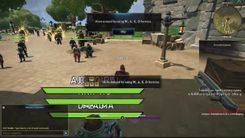
A character standing in a stylized game world with visual interface elements displayed. — Spid
Gameplay Showcase
The development showcases have demonstrated key aspects of Scars of Honor’s gameplay. Movement and responsiveness were highlighted, and the game aims to provide both smooth mechanics and polished character customization options. Gameplay focuses on accommodating both PvP and PvE features, ensuring a dynamic and engaging experience.
steps
- Navigate through the game world to experience optimized movement mechanics.
- Customize your character upon starting to create a unique in-game persona.
- Engage in PvP and PvE features, supported by responsive controls and polished gameplay dynamics.
Combat System Overview
The combat system in Scars of Honor incorporates skill shots, area-of-effect (AoE) abilities, and responsive spell animations. Developers have focused on improving the visual effects to prevent clutter during large battles. Skills are designed to enhance their functionality and responsiveness during gameplay.
Graphics and Art Style
Stylized graphics were chosen to provide a timeless visual identity, avoiding hyper-realism and enabling accessibility for players with varying hardware capabilities. The game’s developers aim to refine lighting and color vibrancy further to create a visually rich world without introducing excessive cartoonish elements.
Talent Trees
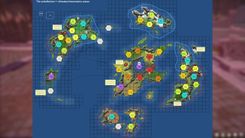
Scars of Honor features intricate talent trees that allow players extensive freedom in character customization and specialization. The depth of the system offers meaningful gameplay choices but requires considerable effort to balance properly.

A talent tree showcasing various skills and connections, centered around a character icon. — Spid
FAQ
What features does Scars of Honor include?
Scars of Honor offers stylized graphics, detailed talent trees, a skill shot-based combat system, and a focus on delivering an optimized PC MMORPG experience.
What is the graphical style of Scars of Honor?
The game utilizes a stylized graphical style aimed at being visually timeless and accessible across a wide range of PC hardware.
How does the combat system in Scars of Honor work?
The combat system incorporates skill shots, AoE abilities, and responsive animations, with developers working to refine visual effects for smoother gameplay.
What are the talent trees like in Scars of Honor?
The talent trees are deeply complex, allowing for significant character customization and specialization. They enable varied builds and strategies but require careful balancing.
Why is Scars of Honor focusing on PC?
Scars of Honor was designed from the ground up as a PC MMORPG. This approach prioritizes a polished and optimized experience while establishing a strong foundation for possible future expansions to other platforms, such as mobile.
Sources
Screenshots on this page are frames from the videos below, used to illustrate the steps they describe. All rights remain with their creators.
- Why Scars of Honor Is Suddenly On Every MMO Radar — Spid, March 1, 2026
Checked against:
- Scars of Honor - PC Focus Update — Puffymuffinz, 2026-02-13
- Scars of Honor - A truly free-to-play MMORPG game — www.beastburst.com