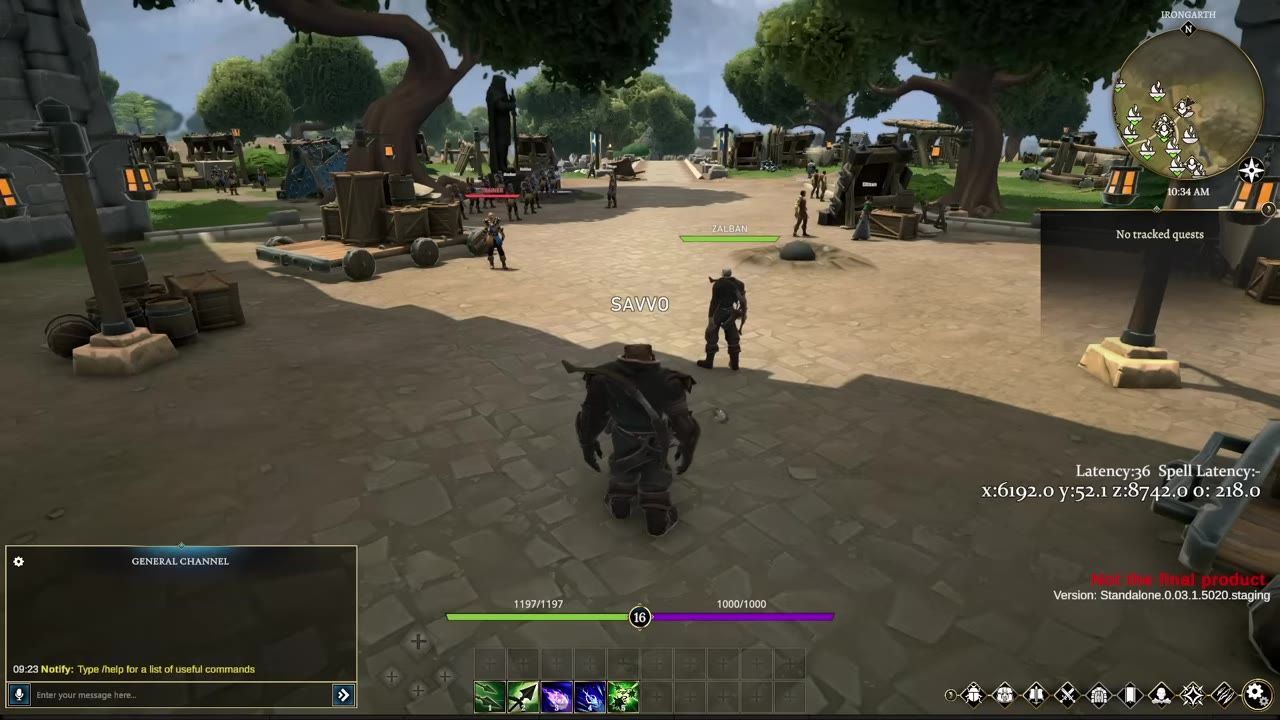
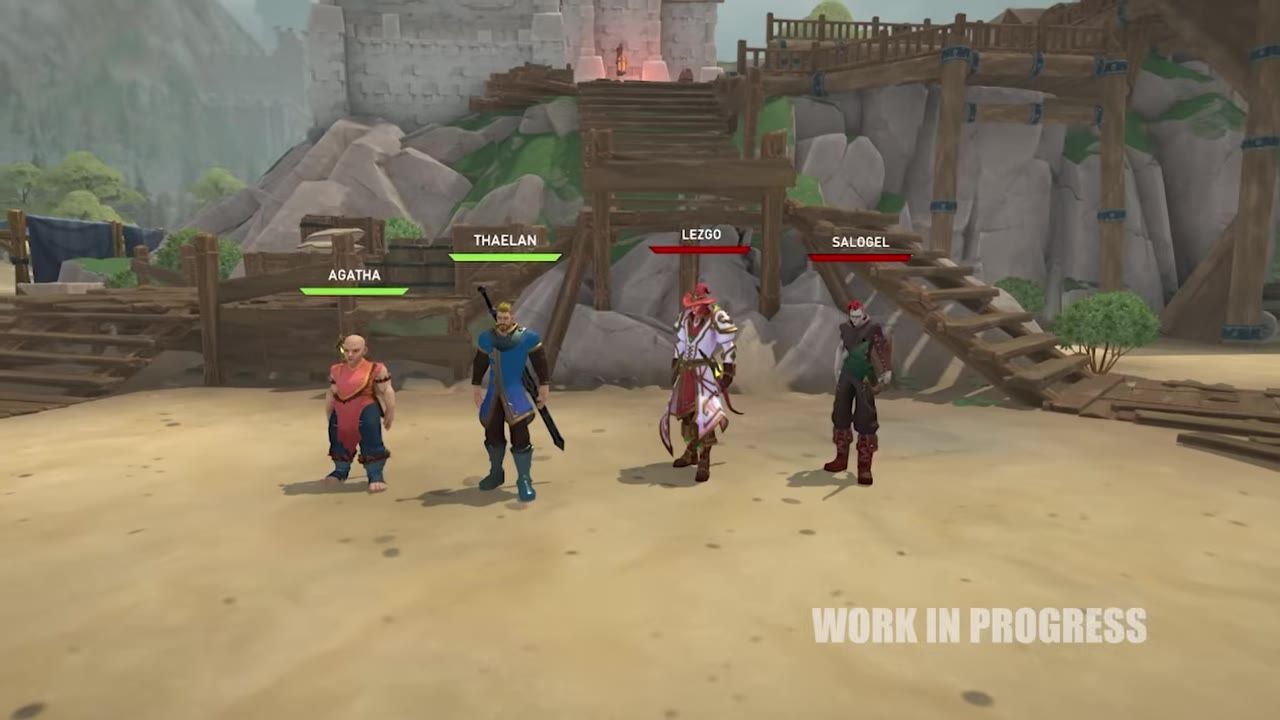
Scars of Honor offers a unique MMORPG experience with features like the scar progression system, mini-game crafting, and procedural dungeons, all blending traditional PvE and PvP elements with innovative mechanics.
Introduction to Scars of Honor
Scars of Honor is a community-driven MMORPG developed by Beast Burst Entertainment. Built from the ground up for PC, this high-quality game aims to bring back the glory of MMORPGs. It follows a free-to-play model, offering cosmetic purchases and a permanent battle pass system. The development team focuses heavily on ensuring the game’s foundation is solid before over-promising features or launching on additional platforms like mobile.
Classes and Skill Trees
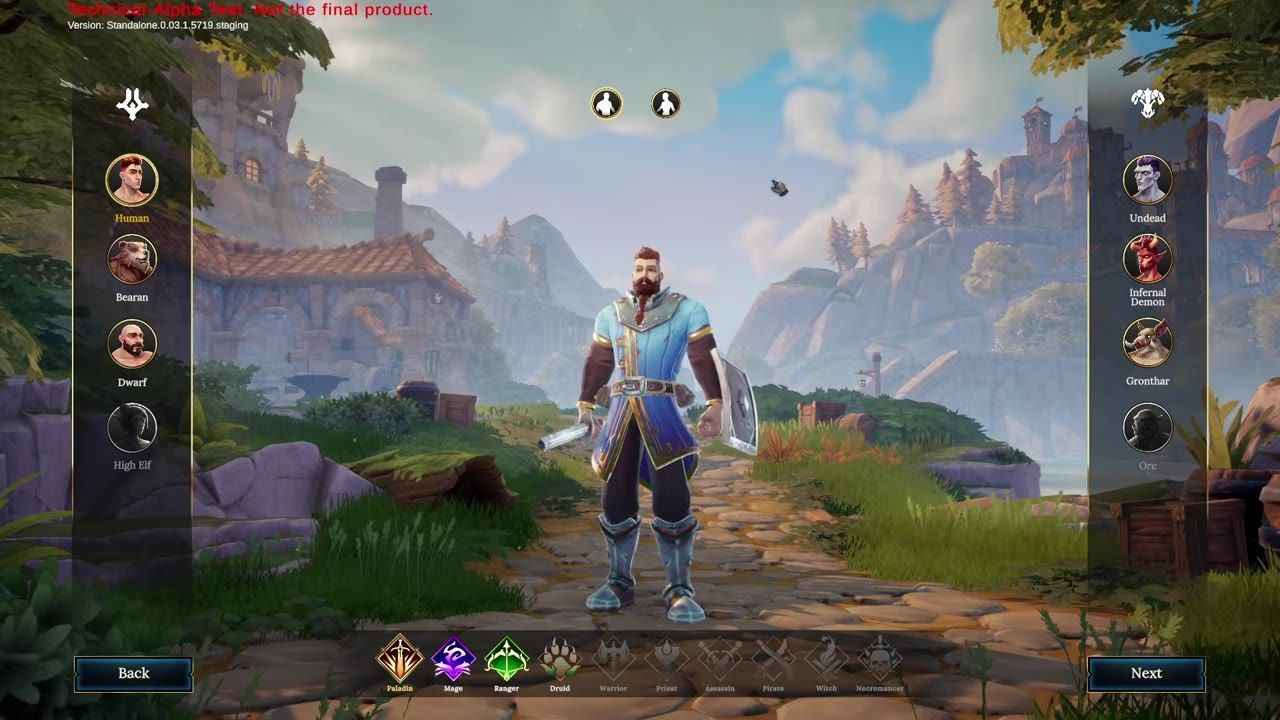
The class system in Scars of Honor comprises distinct primary classes like Warrior, Mage, Priest, Ranger, and others, each of which can specialize further into subclasses. For instance, a Mage can specialize as a Battle Mage, Rune Weaver, or Wizard. The game supports up to 300 skill nodes per class, enabling vast customization of abilities, stats, and passive skills. Players can respec individual nodes or entire builds using in-game currency. There will also be shared and inspectable builds to foster community engagement.
Shared details include plans for dual specialization and a flexible talent system that allows developers to quickly integrate new nodes and abilities.

The skill tree interface displaying nodes and pathways to allocate talent points. — Space Coconut
PvP and PvE Systems
Scars of Honor focuses predominantly on PvE while incorporating PvP options. PvP features include opt-in open-world engagements and structured PvP arenas with standardized gear and stats for fair competition. Additionally, open-world PvP systems aim to minimize griefing by making PvP engagement consent-based. For PvE, a procedural dungeon system offers dynamic challenges that evolve as players progress, delivering strategic room layouts, ever-increasing difficulty, and enticing rewards.
In PvP arenas, emphasis is placed on skill rather than gear disparity, ensuring that matches are fair and competitive.

Players are engaged in a PvP arena fight using various abilities. — Space Coconut
Crafting and Gathering
Crafting in Scars of Honor introduces mini-games tailored to different items and resources, such as timing games for blacksmithing and memory games for cooking. Success in these mini-games directly affects the quality of crafted items, adding a skill-based element to item creation. The gathering system includes activities like mining, woodcutting, herbalism, skinning, and fishing, utilizing a dynamic spawn system that scales with player density to ensure access to materials.
Players can encounter "boss gathering nodes" that require cooperative effort for harvesting, providing additional rewards for collaborative gameplay.

The crafting interface highlights the steps to prepare a recipe with corresponding ingredients and options. — Space Coconut
Scar Progression System
Scars form the game’s unique progression system. Players earn scars as they level up, defeat unique bosses, or achieve in-game milestones. Scars offer stat boosts, special passive abilities, and percentage increases. Each scar belongs to a group, and only one scar from a group can be activated at a time. Players can switch their active scar by spending consumables or in-game currency.
The procedural dungeon mechanics also integrate with the scar system, allowing players to hunt specific bosses to earn desired scars for their builds.

The interface shows various Scar options and their descriptions. — Space Coconut
Procedural Dungeons
Inspired by systems from games like Path of Exile, Scars of Honor’s procedural dungeons feature randomized room layouts, buffs, debuffs, and unique challenges. Boss encounters in these dungeons reward players with scars and special items. As players advance within a dungeon, the difficulty progressively increases, along with the quality of rewards, providing replayability and variety for every run.
FAQs
FAQ
What unique features does Scars of Honor have?
The game features innovative systems such as the scar progression system, mini-game crafting mechanics, and procedural dungeons for dynamic gameplay.
How does the skill tree system work in Scars of Honor?
The skill tree supports up to 300 nodes per class, allowing extensive customization. Players can respec individual nodes or entire builds using in-game currency. Each node enhances abilities, stats, and can unlock new skills.
What classes and subclasses are available in Scars of Honor?
Scars of Honor includes primary classes like Warrior, Mage, Priest, Ranger, and others, each of which can specialize into subclasses such as Necromancer's Blood Mage or Paladin's Justicar.
Is Scars of Honor focused on PvE or PvP?
The game is primarily PvE-focused but includes opt-in world PvP and skill-based arena PvP for players who enjoy competitive elements.
How does crafting work in Scars of Honor?
Crafting involves skill-based mini-games tailored to item type, where success impacts item quality. Gathering employs dynamic spawns, and some nodes require multiplayer cooperation.
What is the scar progression system in Scars of Honor?
Scars are progression rewards tied to leveling, unique bosses, and milestones, offering stat boosts and passive abilities. Players can switch between active scars from a group using consumables or currency.
Sources
Screenshots on this page are frames from the videos below, used to illustrate the steps they describe. All rights remain with their creators.
- What Is Scars of Honor? Full Game Breakdown — Space Coconut, February 11, 2026
Checked against:
- Scars of Honor - PC Focus Update — Puffymuffinz, 2026-02-13
- Scars of Honor - A truly free-to-play MMORPG game — www.beastburst.com