Path of Exile 2 introduces new leagues, expanded character classes, an intricate passive skill tree, and enhanced item systems, making it both comprehensive and beginner-friendly. Start with the advice provided here to familiarize yourself with its systems.
Introduction to Path of Exile 2
Path of Exile 2 is an intricate action RPG that emphasizes character progression, gear crafting, and a competitive in-game economy. As a new player, you'll face challenges, including a massive passive skill tree, complex item systems, and diverse character classes. Beginning with this guide will help you navigate these intricacies and reduce frustration as you embark on your journey through this expansive world.
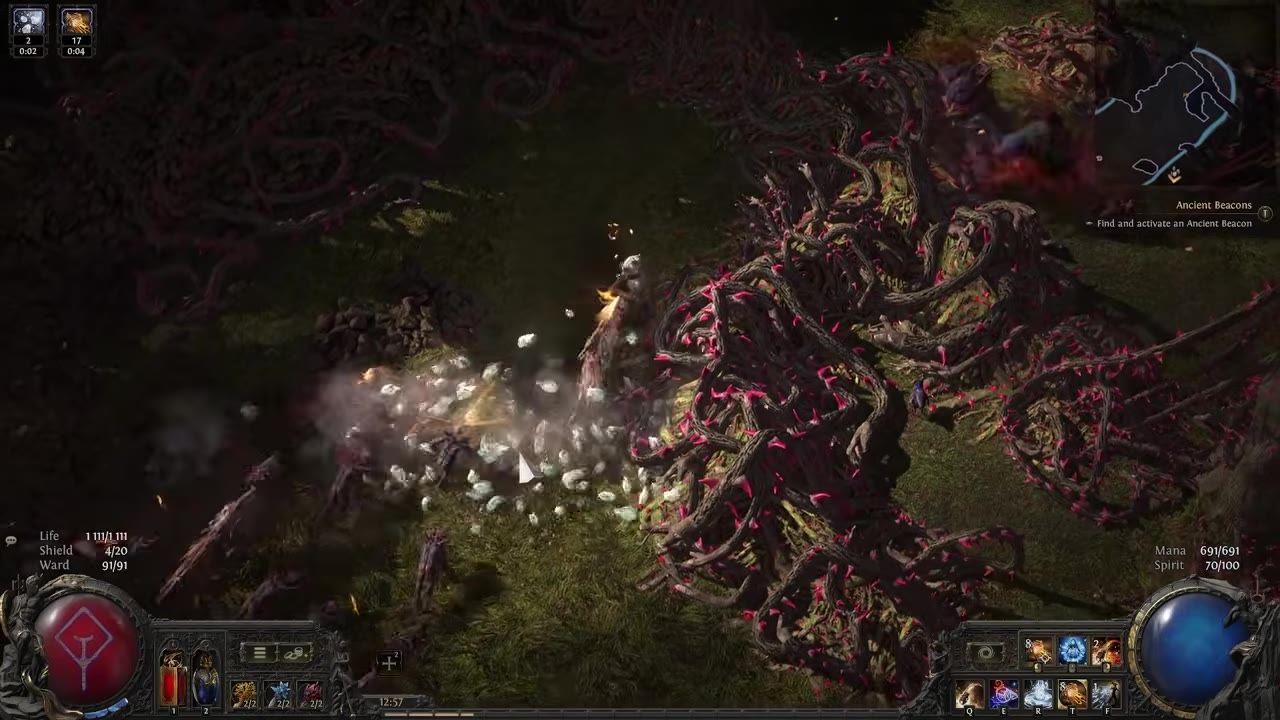
The character engages in combat with enemies in a forest-like area in Path of Exile 2. — Lolcohol
POE2 Leagues
Leagues are seasonal events in Path of Exile 2 that reset the economy every four months. Players can choose between the Standard league, where progress remains fixed, and the Challenge league, where everyone starts fresh and new content is introduced. Starting in the Challenge league is recommended for newcomers because it offers equal footing and a unique experience. After the league ends, progress is rolled back into Standard, preserving your achievements.
steps
- Upon creating a character, select a league. The Challenge league gives access to the latest content.
- If you're new, prioritize entering the Challenge league for better balance and rewards.
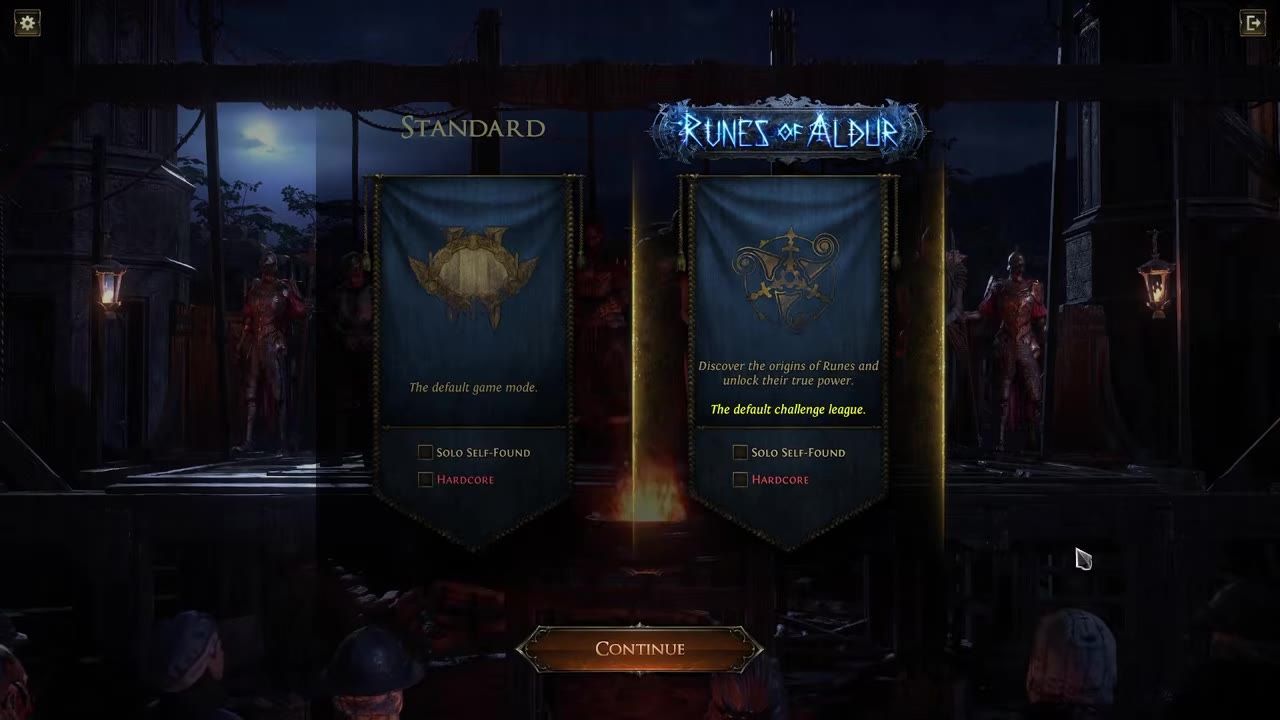
League selection menu showing Standard and Runes of Aldur options. — Lolcohol
POE2 Game Modes
Path of Exile 2 offers several game modes to cater to different playstyles. The default Softcore Trade mode allows you to trade items and party with other players. Solo Self-Found mode restricts trading and partying but provides a different challenge. Hardcore mode adds the risk of your character being migrated to the parent softcore league upon death. There are also mixed options like Hardcore Solo Self-Found mode for more difficulty.
comparison
Softcore Trade
- Balanced gameplay with trading and group play available.
- Allows respawning after death.
Solo Self-Found
- No trading or grouping with other players.
- Greater emphasis on self-reliance and personal progression.
Hardcore
- Permanent death with character migration to the parent softcore league upon dying.
- Can be combined with Solo Self-Found for even more challenge.
POE2 Character Classes
Path of Exile 2 introduces 12 classes at launch, representing a variety of archetypes like spellcasters and melee fighters. Each class offers unique mechanics and distinct skill capabilities. Ascendancies, subclasses available in later acts, allow for specialization, unlocking powerful skills and passives.
steps
- Choose one of the 12 available classes during character creation. Evaluate class types based on your desired playstyle: melee, ranged, magic-based, or hybrid.
- Begin with a class that matches your interests; you can experiment with a new class if your first choice doesn't suit you, as all accounts come with 24 character slots.
- Explore Ascendancies starting in Act 2 to further refine your character's abilities.
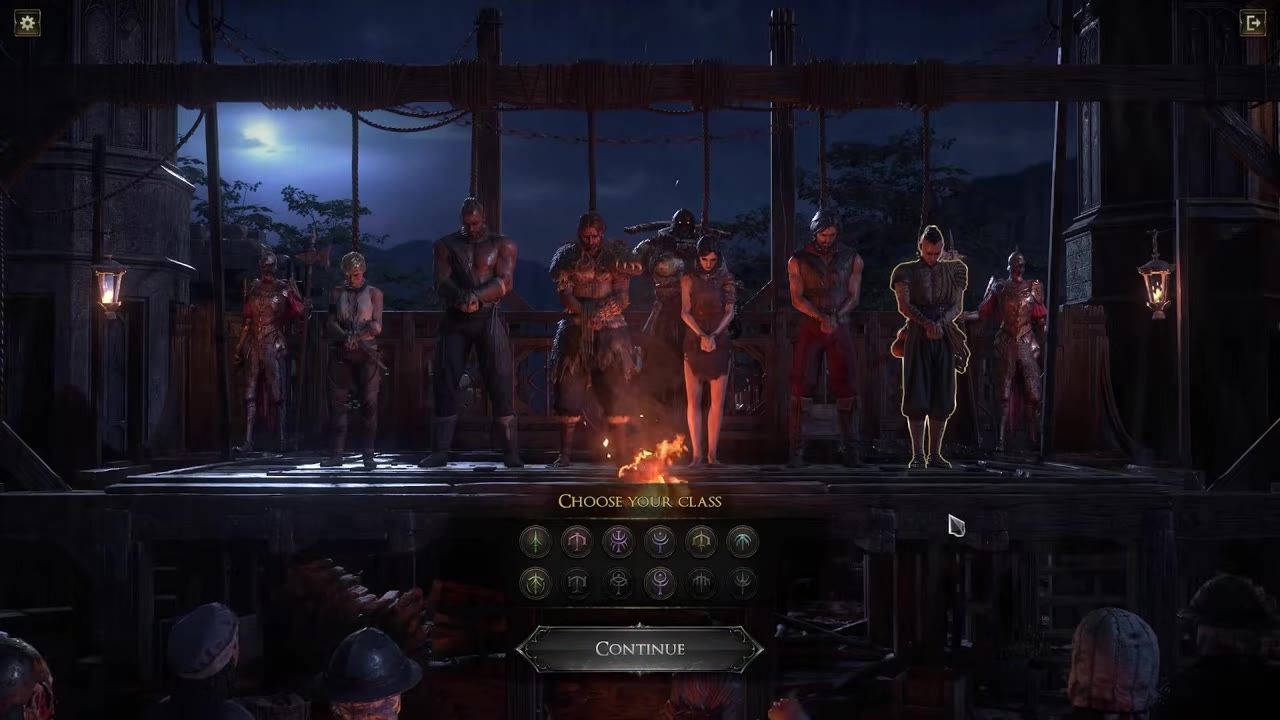
Character class selection screen with different options displayed. — Lolcohol
Understanding the Passive Skill Tree
The passive skill tree in Path of Exile 2 is vast, offering incredible customization and potential. Characters start from a specific region in the tree depending on their class. Players can allocate points to small passives, notable passives, and keystones. Build guides are recommended for newcomers to simplify progression.
steps
- Every level-up grants passive skill points. Start with small passives that build toward notable passives for larger bonuses.
- Look for keystone passives that deliver significant effects but come with trade-offs.
- Plan your path by identifying nearby notable passives and attributes to support your build.
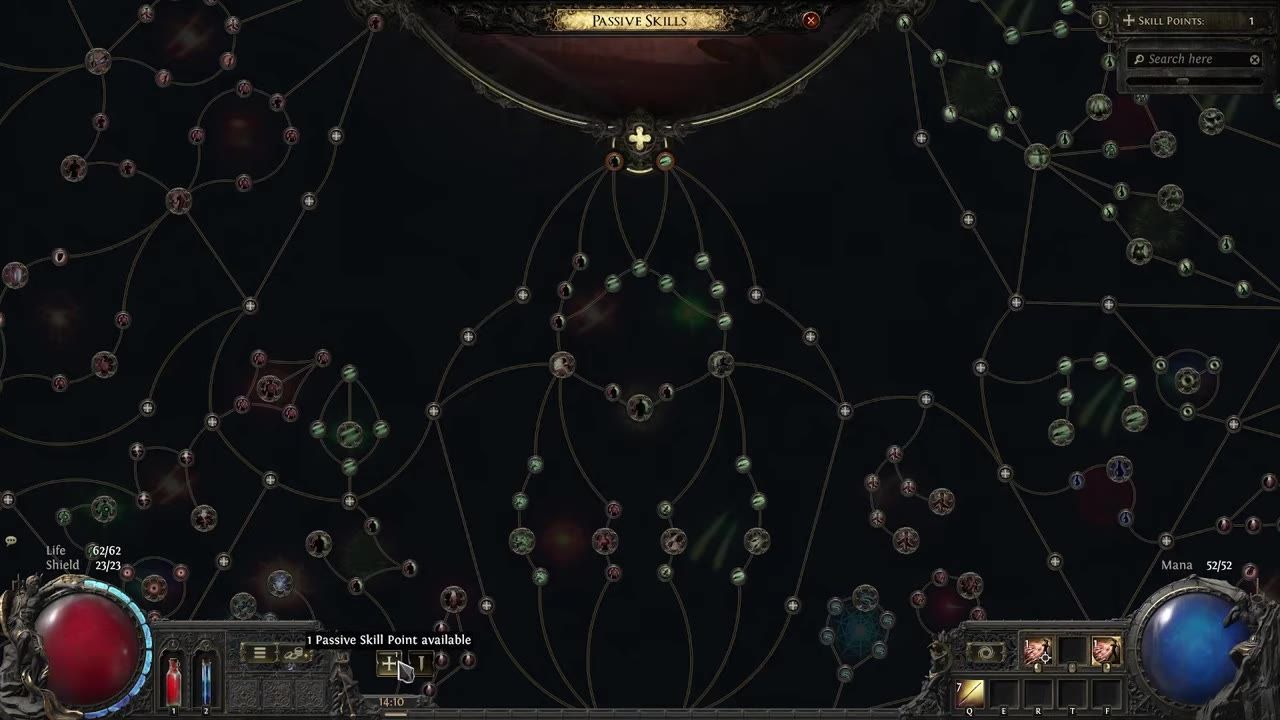
A section of the passive skill tree displaying interconnected nodes. — Lolcohol
POE2 Item System
The item system breaks down into tiers of rarity and modifiers, offering extensive progression options through crafting and gear efficiency. Items are classified as Normal, Magic, Rare, and Unique, each with varying levels of modifiers. Currency orbs and adaptive item modifiers allow creativity during gear upgrades. Players enhance gear through a combination of crafted and discovered items.
steps
- Categorize items by rarity: Normal (no modifiers), Magic (up to two modifiers), Rare (up to six modifiers), and Unique (special properties).
- Enhance items using currency orbs such as Transmutation, Regal, and Exalted Orbs.
- Match gear attributes to your class by considering item modifiers and required attributes.
- Utilize currency orbs and item filters for targeted crafting and efficient loot management.
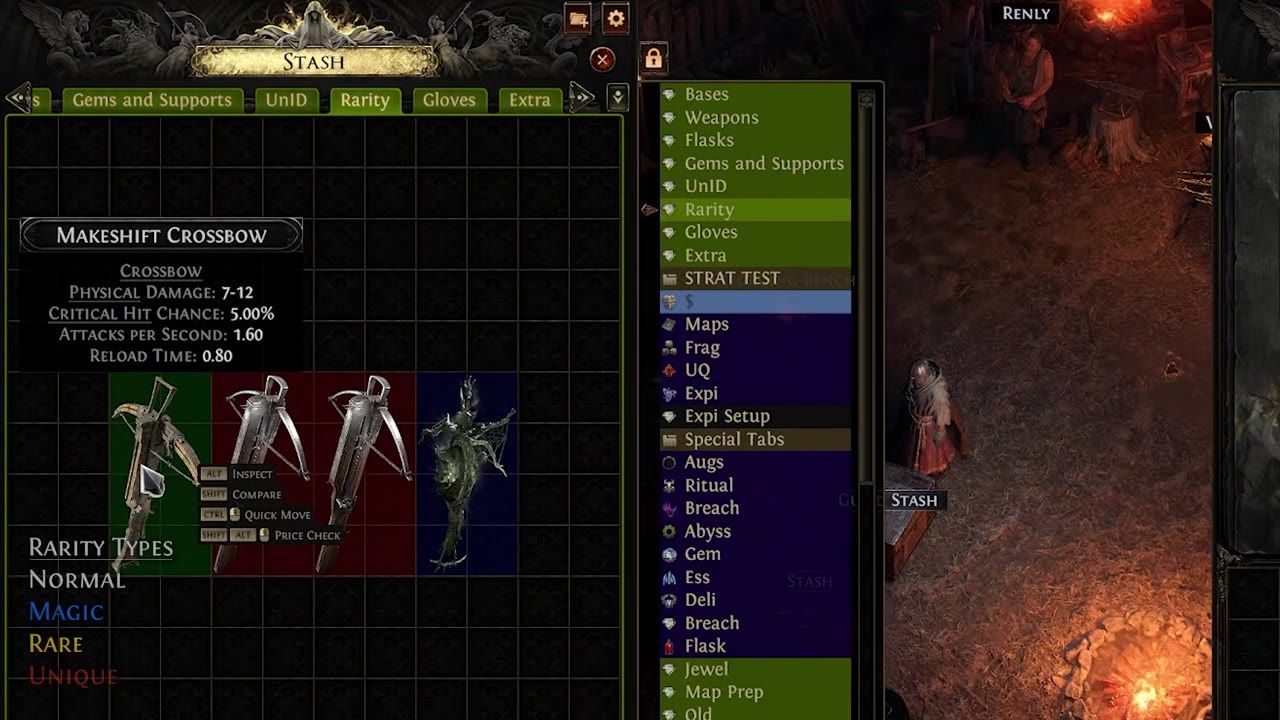
The inventory in Path of Exile 2 displays items of various rarities including Normal, Magic, Rare, and Unique. — Lolcohol
FAQ
What are the new features in Path of Exile 2?
Path of Exile 2 introduces expanded character classes, new leagues, a detailed passive skill tree, enhanced item systems, and ascendancy subclasses for further specialization.
What is the league system in Path of Exile 2?
Players can choose between Standard leagues, where progress is permanent, and Challenge leagues, which reset every four months and offer unique content and a fresh economy.
How do I pick a character class in PoE 2?
Choose one of the 12 available classes during character creation based on your preferred playstyle. Classes include archetypes such as spellcasters, warriors, and hybrids. You can select subclasses (ascendancies) starting in Act 2.
What is the passive skill tree in PoE 2?
Each class begins in a unique part of the massive skill tree. Players allocate points to small passives, notable passives, and keystones to develop their character. Build guides are suggested for first-time players.
How do items and gearing work in PoE 2?
Items come in multiple rarities: Normal, Magic, Rare, and Unique, determined by the number of modifiers. Players can upgrade gear with crafting materials like currency orbs and enhance items with runes and sockets for improved damage and defenses.
Sources
Screenshots on this page are frames from the videos below, used to illustrate the steps they describe. All rights remain with their creators.
- Path of Exile 2 Beginner Guide — Lolcohol, August 28, 2026
Checked against:
- Path of Exile 2: 0.5.5 Event League & Duelist Deep Dive — Natalia_GGG, 2026-08-27
- Path of Exile 2 Full Release Registration FAQ — Natalia_GGG, 2026-08-26
- Path of Exile 2 Build Showcase: Slowmaxing Chronomancer by TuskDeluxe — Natalia_GGG, 2026-07-09
- Early Access Patch Notes - Forum - Path of Exile — Path of Exile